
In recent years, kratom has surged in popularity across the United States. Frequently marketed as an all-natural herbal supplement, a safe energy booster, or an organic alternative for pain relief, it can be easily purchased at local gas stations, smoke shops, and online storefronts. Because it is derived from the leaves of a tropical tree native to Southeast Asia, many people mistakenly assume that it is inherently safe and non-addictive.
However, a growing number of individuals across Ohio are discovering a painful reality: what started as a casual wellness routine can quickly spiral into a severe physical and psychological dependency.
When they attempt to stop using kratom on their own, they are often blindsided by a profound wave of physical illness, overwhelming cravings, and intense emotional distress.
If you have tried to stop using kratom and found yourself failing, it is not a reflection of your willpower or character. Kratom is a uniquely complex substance that reshapes your brain chemistry in a way that makes independent cessation incredibly difficult.
At Cedar Oaks Wellness Center in Oregonia, Ohio, we look past the public misconceptions to address the real, biological impact of substance dependency. Nestled on 120 acres of peaceful, secluded forest just outside of Cincinnati, our campus provides a distraction-free sanctuary where you can break free from dependency safely and comfortably.
This comprehensive guide will break down the neurobiology of kratom, outline why its withdrawal cycle is uniquely challenging, and explain how professional, integrated care can help you reclaim your life.
Quick Answer: Why Is Kratom So Hard to Quit Independently?
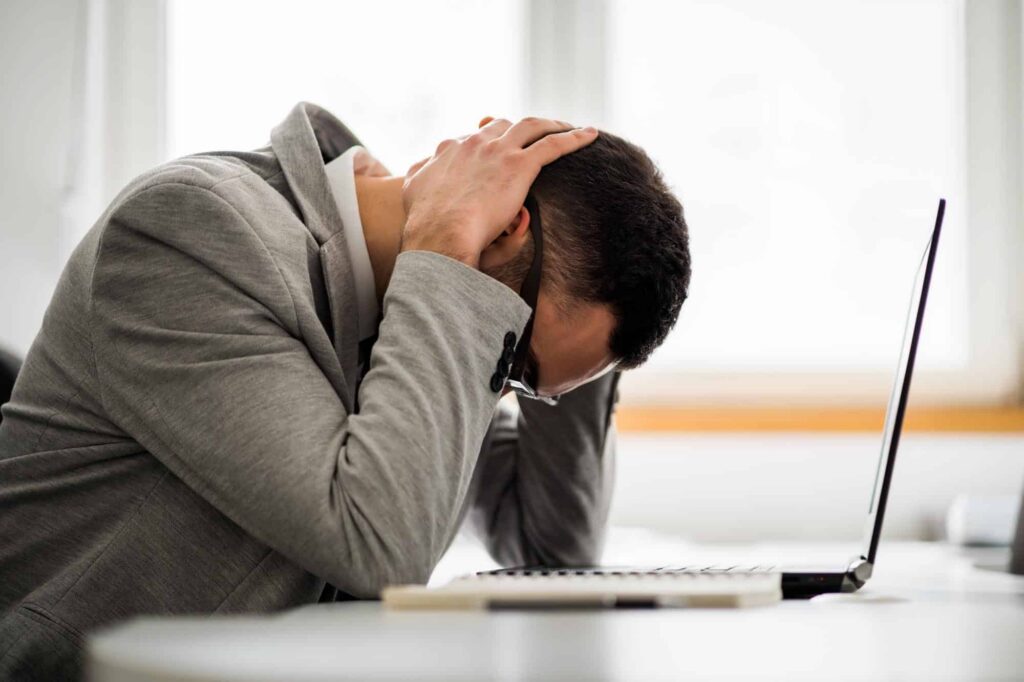
Kratom is exceptionally difficult to quit without professional treatment because its active alkaloids trigger a dual-layered chemical dependency, acting as a stimulant in low doses and an opioid in high doses. When you stop using it, your brain experiences a simultaneous crash across multiple neurotransmitter systems, resulting in severe physical withdrawal symptoms (such as deep muscle aches, digestive distress, and sweating) alongside intense psychological distress (including profound depression, severe anxiety, and restless leg syndrome). This combination of physical illness and neurological mood drops creates an unmanageable relapse cycle that typically requires professional medical detoxification and clinical stabilization to break safely.
The Chemical Hijack: How Kratom Alters the Brain
To understand why independent cessation is so challenging, we must examine what kratom does inside your central nervous system. Kratom contains more than 40 active plant compounds, but the two primary alkaloids responsible for its psychoactive effects are mitragynine and 7-hydroxymitragynine.
These compounds do not behave like a typical, single-category drug. Instead, they manipulate your brain pathways in two completely different ways depending on how much you consume:
- In Low Doses (Stimulant Effects): Kratom interacts with your adenosine and dopamine receptors, boosting your alertness, focus, and physical energy.
- In High Doses (Opioid-Like Effects): The alkaloids bind directly to the mu-opioid receptors in the brain—the exact same receptors targeted by prescription painkillers, heroin, and fentanyl. This action suppresses pain signals and floods your system with an artificial sense of calm and euphoria.
Over time, your brain stops producing its own natural endorphins and dopamine because it has learned to rely on the constant presence of kratom to maintain its chemical balance.
When you suddenly stop using it, your brain is left in a massive neurochemical deficit. Your opioid receptors are emptied, and your stimulant pathways crash simultaneously, sending your body into an acute survival crisis.
The Two-Phased Reality of Kratom Withdrawal Symptoms
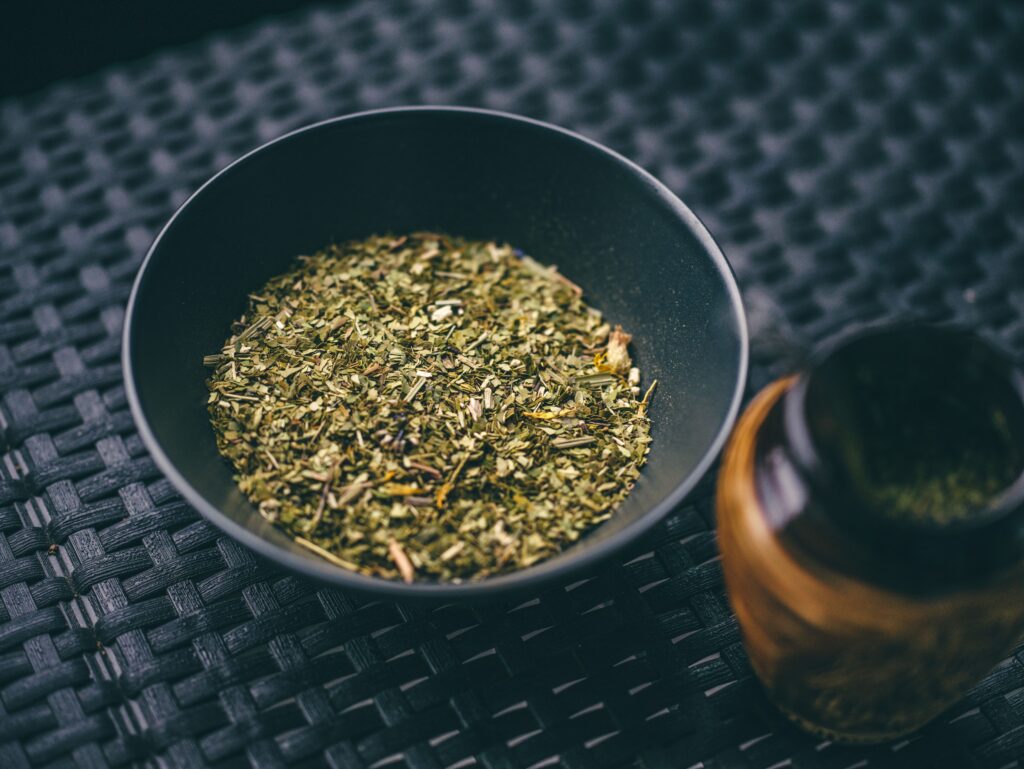
One of the primary reasons individuals fail to complete a "cold turkey" detox at home is the sheer physical and psychological discomfort of the acute withdrawal phase. Because kratom possesses a multi-faceted chemical profile, its withdrawal symptoms mimic a combination of severe influenza and an intense emotional crash.
The Physical Toll
Within 12 to 24 hours of your last dose, your body begins to experience severe autonomic hyperactivity. This manifests as profuse cold sweats, hot flashes, painful muscle spasms, joint stiffness, and severe abdominal cramping accompanied by nausea and diarrhea.
Many individuals experience severe restless leg syndrome (RLS), a deeply uncomfortable creeping sensation in the limbs that makes it physically impossible to sleep or stay still.
The Psychological Storm
As the physical symptoms peak, the mental health drop begins. Because kratom alters serotonin and norepinephrine pathways alongside opioid receptors, stopping use triggers a sudden spike in panic, severe generalized anxiety, profound lethargy, and a dark, clinical depression.
This psychological distress is accompanied by intense, compulsive cravings that scream at your brain that the only way to make the misery stop is to take more of the supplement.
Why Professional Care is the Crucial Scaffold for Recovery

Attempting to white-knuckle your way through this intense physical and mental storm in your everyday environment carries an exceptionally high risk of immediate relapse. Professional treatment alters this dynamic by removing the pain and isolation from the detoxification process.
At Cedar Oaks Wellness Center, we utilize a comprehensive, multi-step continuum of care designed to heal the whole person rather than just managing the immediate substance issue:
Our progressive healing model begins with medically supervised detoxification. Our highly trained medical team monitors your vital signs around the clock, utilizing targeted, evidence-based medications to directly alleviate muscle aches, calm gastrointestinal distress, and quiet the central nervous system panic. This medical intervention turns a painful physical emergency into a calm, manageable, and dignified transition.
Once your body is physically stabilized, you naturally step into our holistic residential inpatient program or Partial Hospitalization Program (PHP). Surrounded by 120 acres of peaceful Ohio nature, you participate in tailored therapeutic tracks—including Cognitive Behavioral Therapy (CBT), Dialectical Behavior Therapy (DBT), trauma-informed care, and experiential therapies.
We help you dig beneath the surface to identify the core stressors, anxiety, or physical pain that led you to use kratom in the first place, giving you the practical psychological tools required to maintain lifelong sobriety.
Key Takeaways
- The Dual Alkaloid Trap: Kratom is uniquely difficult to quit because it acts as both a stimulant and an opioid, causing a multi-system chemical crash when stopped.
- The Physical Toll: Withdrawal symptoms are severe and disruptive, commonly including drenching sweats, digestive issues, and intense restless leg syndrome.
- The Mental Drop: The psychological withdrawal from kratom triggers sudden, severe depression, acute anxiety spikes, and intense compulsive cravings.
- The Willpower Deficit: Overcoming a physical neurochemical dependence is a medical challenge; relying on sheer willpower alone often reinforces a painful relapse loop.
- The Cedar Oaks Advantage: Our secluded 120-acre Ohio facility combines advanced medical detox with holistic, individualized residential therapies to ensure a safe, supportive path to recovery.
Frequently Asked Questions About Kratom Recovery
Is kratom withdrawal actually dangerous, or is it just highly uncomfortable?
While acute kratom withdrawal itself is rarely directly life-threatening, it carries significant secondary medical risks. Severe, unmanaged diarrhea and vomiting can quickly lead to dangerous dehydration and electrolyte imbalances. Furthermore, the sudden, severe neurochemical drop can trigger profound depressive episodes and suicidal ideation in vulnerable individuals. Completing the process under medical supervision ensures your physical vitals and mental well-being are safely protected.
How long does the acute kratom withdrawal process typically last?
While every individual's biological timeline varies based on their specific dosage, frequency, and metabolism, the acute physical symptoms of kratom withdrawal usually begin within 12 to 24 hours after the last use. These physical symptoms typically reach their peak intensity between days 2 and 4, before gradually tapering off around day 7. However, milder psychological symptoms—such as sleep disturbances, mild anxiety, and low energy—can persist for several weeks as the brain slowly rebuilds its natural chemical baselines.
What are the benefits of a secluded residential environment for supplement recovery?
In active dependency, your everyday environment is often packed with subconscious triggers, stress factors, and easy access to local shops where kratom is sold. Moving into a secluded, nature-based residential program like Cedar Oaks Wellness Center provides an immediate physical boundary between you and your substance. It allows your overactive central nervous system to drop out of fight-or-flight mode, giving you the quiet mental space needed to focus entirely on your physical recovery and emotional therapy.
Will my private commercial health insurance cover professional kratom treatment?
Yes, absolutely. Because kratom dependency chemically alters the brain and mirrors traditional substance use disorders, professional medical detoxification, residential inpatient care, and outpatient services are recognized as essential healthcare procedures under behavioral health insurance guidelines. Our admissions team at Cedar Oaks Wellness works directly with almost all major private commercial insurance providers to perform a free, confidential verification of your benefits, handling the paperwork so you can concentrate entirely on healing.
Discover Your Individual Path to Healing Today
You do not have to spend another day trapped in the exhausting cycle of trying to quit, feeling overwhelmed by withdrawal, and returning to a substance just to find relief. Reclaiming your clarity, stabilizing your physical body, and building a life of authentic freedom is an achievable reality when you have the right clinical team standing beside you.
At Cedar Oaks Wellness Center, our team of passionate, highly trained addiction professionals is completely ready to meet you exactly where you are in your journey. We look past the judgment and the stigmas to treat you as a whole person, aligning clinical evidence-based medicine with holistic, compassionate care.
Let our local Ohio admissions specialists answer your questions and verify your insurance benefits in complete confidence. Contact our Oregonia facility online today to silence the internal chaos and begin your individual path to lifelong recovery.