
What begins as a seemingly harmless search for natural pain relief, an anxiety fix, or a quick energy boost frequently turns into an exhausting struggle with dependency. Over the past decade, kratom has exploded in popularity across the United States. Sold openly in smoke shops, gas stations, convenience stores, and online portals in the form of loose powders, oral capsules, and highly concentrated liquid extracts, it is frequently marketed as a completely safe, natural, and non-addictive herbal supplement.
However, the neurobiology of kratom tells a very different story. Because its active chemical compounds bind directly to the brain’s opioid and stimulant receptors, long-term use alters your internal chemistry, creating a severe physical and psychological reliance.
If you have already attempted to stop using this substance on your own, you have likely experienced the abrupt, agonizing crash that follows. The intense physical body aches, overwhelming insomnia, severe gastrointestinal distress, and profound rebound anxiety can leave you feeling completely defeated.
When a habit transforms into an uncontrollable cycle, it is vital to know: What is the safest way to detox from kratom, and how can you navigate the withdrawal process without putting your physical and mental health at risk?
The definitive answer is that the safest way to detox from kratom is through a professionally supervised medical detoxification program. At Cedar Oaks Wellness Center in Oregonia, Ohio (proudly serving individuals across Cincinnati, Dayton, Mason, and surrounding areas), we understand that kratom dependency is a real, deeply challenging medical issue.
This comprehensive guide breaks down exactly what kratom is, why its withdrawal timeline is uniquely complex, what a safe clinical detox process looks like, and how professional support can help you safely transition into long-term behavioral healing.
What Is Kratom and How Does It Work?
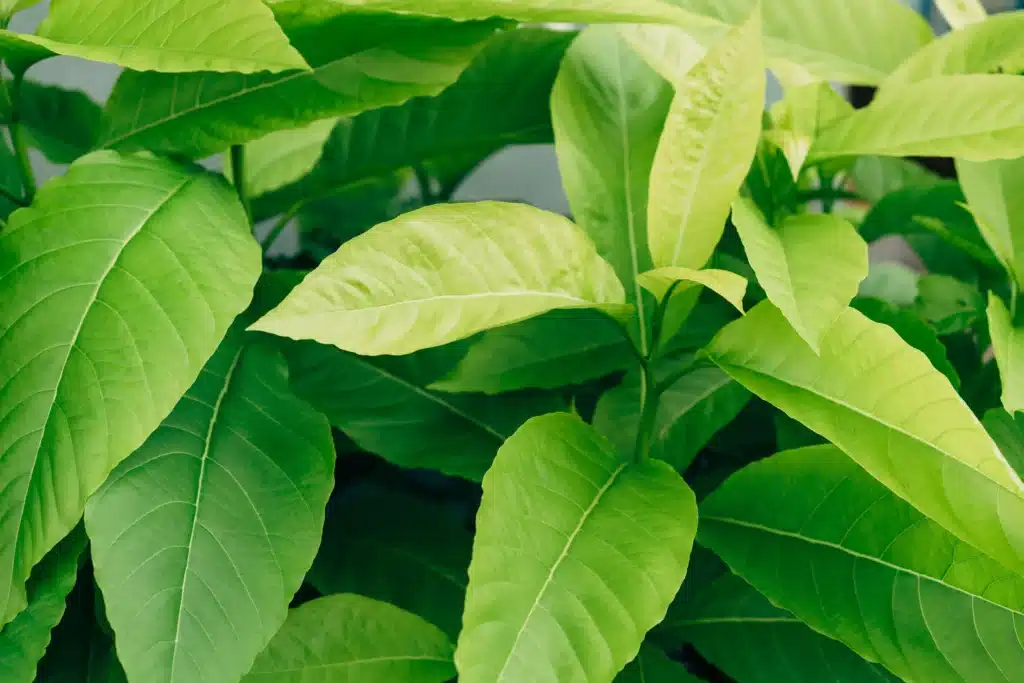
To understand why stopping use is so difficult, it is important to address a fundamental question: What is kratom?
Kratom (Mitragyna speciosa) is a tropical evergreen tree native to Southeast Asia, particularly Thailand, Malaysia, Indonesia, and Papua New Guinea. Historically, indigenous populations chewed the raw leaves or brewed them into tea to combat fatigue and relieve pain while working long hours in the fields.
The leaves of the plant contain active psychotropic compounds, primarily the alkaloids mitragynine and 7-hydroxymitragynine. When ingested, these alkaloids interact directly with the central nervous system.
What makes kratom highly unusual is that it produces wildly different effects depending entirely on the size of the dose consumed. At lower doses, it acts as a stimulant, making users feel more energetic, alert, and socially outgoing. At higher doses, it attaches heavily to the brain's mu-opioid receptors, dulling pain and inducing a sedative, euphoric effect that mirrors prescription narcotics.
You May Also Enjoy: Outpatient Mental Health Treatment in Ohio: Is It Right for You
Is Kratom Addictive?
Yes, kratom is highly addictive when consumed regularly over an extended period. Because it is derived from a plant and is legal to purchase over the counter in many states, users are often led into a false sense of security, assuming that "natural" means safe.
When you consume kratom daily, your brain eventually stops producing its own natural neurochemicals in normal amounts, adapting instead to the constant presence of the herbal alkaloids. Over time, your body builds a strong tolerance, meaning you must consume larger or more frequent doses just to feel normal or avoid getting sick.
This establishes a profound physical and psychological dependence. When the substance is missing from your bloodstream, your central nervous system goes into a state of acute hyperexcitability, triggering a severe withdrawal syndrome that makes independent cessation incredibly difficult to maintain.
Why Kratom Withdrawal Is Uniquely Complex
To understand why a professional medical setting is so important for long-term recovery, it is essential to look closer at how this substance interacts with your central nervous system. Unlike traditional substances that target a single neural pathway, kratom possesses a complex, dual-acting chemical profile:
- At Low Doses: Kratom acts primarily as a stimulant, boosting alertness, accelerating heart rates, and heightening nervous system activity.
- At High Doses: Kratom interacts heavily with mu-opioid receptors, effectively mimicking the pain-relieving and euphoric properties of traditional prescription narcotics.
Because long-term heavy users typically consume large amounts of the substance daily, their brains adapt to constant stimulation across both pathways simultaneously. When you abruptly pull kratom out of your system, your body experiences a multi-faceted, overlapping withdrawal response.
You are not just dealing with the typical flu-like physical symptoms of opioid withdrawal; you are simultaneously experiencing the profound psychological crash, intense fatigue, and severe mood drops associated with stimulant withdrawal. This dual combination makes quitting cold turkey at home exceptionally challenging and highly prone to immediate relapse.
The Hidden Dangers of Quitting Kratom "Cold Turkey" at Home
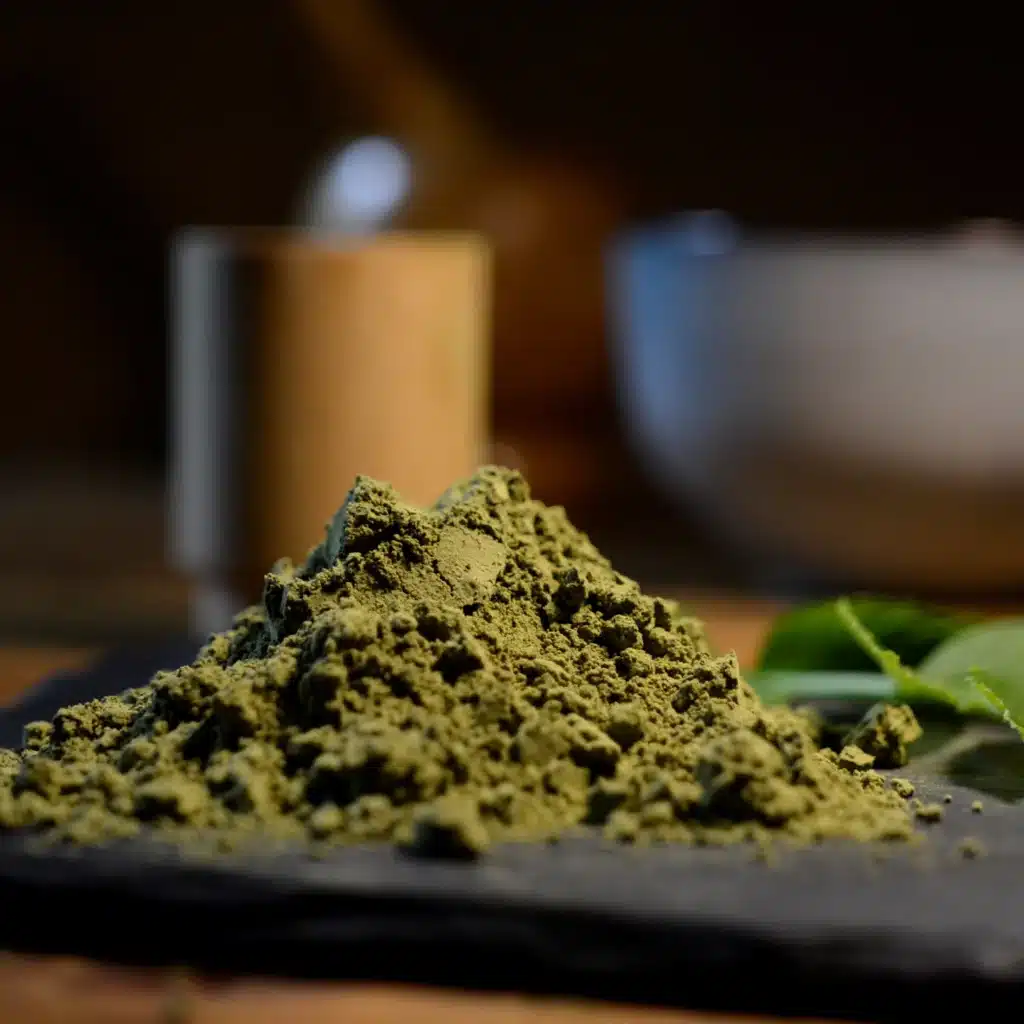
When individuals realize that their herbal supplement use has turned into an active, life-disrupting dependency, their first instinct is often to hide away at home and attempt to sweat it out alone. While acute kratom withdrawal itself is rarely fatal on its own, attempting to detox without professional medical supervision introduces several serious physical and psychological risks:
Dehydration and Electrolyte Imbalances
Severe nausea, persistent vomiting, and chronic diarrhea are hallmark physical symptoms of the withdrawal process. Left unmanaged in a home environment, excessive fluid loss can rapidly cause severe dehydration, dangerous electrolyte depletions, and cardiovascular strain.
Profound Psychological Distress
The emotional crash from unmanaged withdrawal can trigger intense, unexpected panic attacks, deep clinical depression, and terrifyingly vivid nightmares. For individuals with underlying mental health conditions, this sudden psychological instability can lead to acute suicidal ideation.
The Vulnerability of a High Relapse Loop
The physical and emotional discomfort of a cold-turkey detox is intensely agonizing. When the suffering peaks on day two or three, the overwhelming compulsion to stop the pain by taking another dose becomes virtually impossible to resist, reinforcing a painful loop of failed independent attempts.
What a Professional Medical Detox Offers
A professional medical detox center completely removes the fear, isolation, and physical trauma from early recovery. Rather than forcing your body to endure an unassisted shock, a fully accredited inpatient detox program focuses heavily on keeping you safe, emotionally validated, and physically stabilized as the toxins leave your bloodstream.
Choosing a medical detox means you are treating withdrawal as the legitimate medical condition it is, giving your body the professional support it deserves.
When you check into an environment like Cedar Oaks Wellness Center, your custom medical detox protocol includes:
- Around-the-Clock Clinical Supervision: A dedicated team of licensed doctors, nurses, and addiction experts continuously monitors your vital signs, heart rhythm, and overall hydration status 24 hours a day, 7 days a week.
- Evidence-Based Medication Management: Our medical team thoughtfully utilizes targeted, non-addictive medications to directly treat your specific withdrawal symptoms. Over-the-counter and prescription options are safely administered to eliminate muscle cramping, quiet nausea, lower blood pressure, and regulate sleep patterns.
- A Safe, Distraction-Free Environment: True stabilization requires a setting that actively minimizes stress. Being wrapped in a supportive, residential clinical environment completely removes access to the substance, cutting off external triggers and allowing your brain's chemistry to reset in total safety.
You May Also Enjoy: Levels of Care Explained: Finding the Right Fit for Your Recovery in Ohio
Moving Beyond Detox: The Importance of Comprehensive Care
While completing a professional medical detox program is a vital and courageous first step, clearing the substance out of your physical body does not cure the underlying behavioral roots of dependency. True, lasting recovery requires transitioning directly into a structured, therapeutic level of care.
At Cedar Oaks Wellness Center, we utilize our medical detox phase as a launchpad for deep, whole-person rehabilitation. Set on a private, peaceful 120-acre wooded sanctuary in Oregonia, Ohio, our rehab facility offers an uninterrupted path to wellness.
Once your physical withdrawal symptoms have successfully cleared, you can transition directly into our immersive residential inpatient or highly structured partial hospitalization programs (PHP). Our expert clinical team integrates advanced behavioral therapies—including Cognitive Behavioral Therapy (CBT), Dialectical Behavior Therapy (DBT), and trauma-informed care—alongside unique holistic offerings like equine therapy and nutritional counseling to help you heal your mind, body, and spirit.
Key Takeaways
- The Safe Path: The safest, most effective way to detox from kratom is under the direct, 24/7 care of a professionally supervised medical detoxification program.
- Dual-Action Mechanism: Because kratom stimulates both opioid and stimulant pathways in the brain, unassisted withdrawal triggers a highly complex physical and emotional crash.
- Cold Turkey Risks: Attempting to quit at home increases the risk of severe dehydration from gastrointestinal issues, acute psychological distress, and a high probability of immediate relapse.
- Symptom-Specific Medications: Clinical medical detox programs utilize targeted, monitored medications to actively manage insomnia, anxiety, muscle aches, and physical cravings.
- Ohio Healing Sanctuary: Cedar Oaks Wellness Center provides an individualized continuum of care, blending safe detox with residential treatment, dual-diagnosis psychiatry, and lifetime aftercare support on a private 120-acre campus.
Frequently Asked Questions About Kratom Detox and Recovery
What are the most common physical symptoms of kratom withdrawal?
The physical symptoms of unmanaged kratom withdrawal closely mirror opioid withdrawal. Individuals typically experience intense muscle and bone aches, a persistent runny nose, hot and cold sweating flashes, severe nausea, vomiting, abdominal cramping, diarrhea, uncontrollable muscle twitching, and an inability to sleep.
How long does a typical kratom medical detox program last?
Because every individual's daily usage, metabolic rate, and level of chemical dependence are completely unique, timelines vary. However, the acute physical withdrawal phase generally begins within 12 to 24 hours after the last dose, peaks around day three, and slowly subsides over a period of 5 to 7 days. Most medical detox stays are completed within a week.
Can I just taper down my own kratom use at home safely?
While a gradual taper sounds logical in theory, it is exceptionally difficult to execute safely or effectively on your own. Because commercial kratom powders and liquid extracts are entirely unregulated, the exact chemical potency varies wildly from one batch to the next. This lack of standardization makes accurate dosing impossible, almost always triggering unexpected withdrawal spikes that cause individuals to abandon the taper and return to heavy use.
Does health insurance cover professional kratom detox in Ohio?
Yes, most major private commercial insurance policies provide coverage for medically necessary substance abuse treatment. At Cedar Oaks Wellness Center, we work transparently in-network with a wide variety of private health insurance networks, including Aetna, Cigna, Anthem Blue Cross Blue Shield, Humana, and UnitedHealthcare. Our dedicated admissions team provides free, confidential insurance verifications to ensure you can maximize your coverage.
Reclaim Control of Your Future Today
If a supplement you thought was safe has taken total control of your daily life, please know that you do not have to carry this heavy burden alone. Admitting that you need help is an act of profound strength, not a weakness.
At Cedar Oaks Wellness Center, our compassionate, highly trained admissions professionals are standing by 24 hours a day, 7 days a week to listen to your story, answer your questions, and map out your personalized path toward freedom.
Let us handle the clinical details and insurance verifications while you focus entirely on your physical and emotional healing on our serene Oregonia campus. Connect with our team online or request a confidential callback today to take your first definitive step toward wellness.