
Taking the step toward quitting alcohol is one of the most transformative health decisions a person can make. Many individuals enter early recovery expecting immediate physical rewards: clearer skin, boosted energy, reduced anxiety, and deep, restful nights. However, for a significant number of people, the exact opposite occurs during the first few days and weeks. Instead of falling into a peaceful slumber, they find themselves lying wide awake at 3:00 a.m., staring at the ceiling with a racing heart, soaked in night sweats, and overwhelmed by racing thoughts.
If you are experiencing severe insomnia after quitting alcohol, you are far from alone. Rebound insomnia is one of the most common, frustrating, and medically recognized side effects of alcohol withdrawal. Understanding why your central nervous system reacts this way—and knowing how to manage it safely—can make the difference between a painful relapse and a successful, lasting recovery.
The Nightcap Myth: How Alcohol Ruins Sleep Architecture
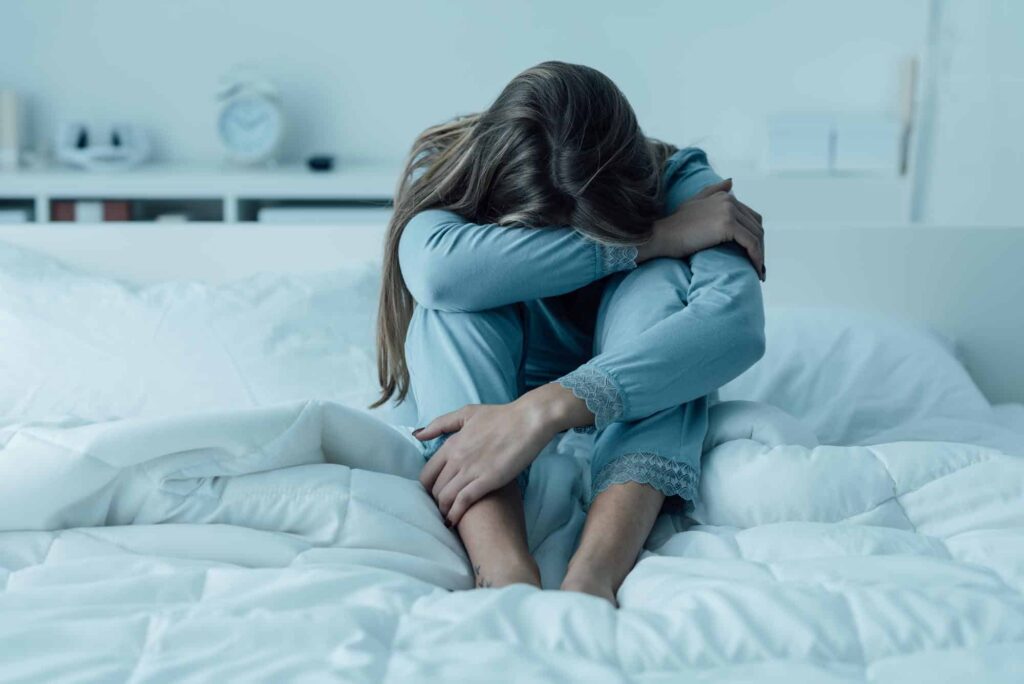
To understand why quitting alcohol makes sleep so difficult initially, it helps to look at what alcohol was doing to your brain chemistry in the first place.
Many people rely on a "nightcap" or evening drinks because alcohol acts as a central nervous system depressant. It enhances the activity of GABA, the brain’s primary calming neurotransmitter, while suppressing glutamate, the brain’s primary excitatory neurotransmitter. This chemical combination makes you feel drowsy, helping you fall asleep quickly.
However, this sedated state is not natural or restorative sleep. Alcohol severely disrupts your sleep architecture in two distinct ways:
- Suppression of REM Sleep: Alcohol blocks Rapid Eye Movement (REM) sleep, which is the crucial restorative phase responsible for emotional processing, memory consolidation, and mental restoration.
- Middle-of-the-Night Rebound: As your liver metabolizes alcohol during the night, its sedative effects wear off rapidly. The brain attempts to compensate for the artificial sedation by flooding your system with stress hormones like cortisol and adrenaline. This triggers sudden awakenings, high blood pressure, sweating, and intense anxiety in the middle of the night.
When you make the decision of quitting alcohol, your brain is suddenly deprived of the external substance it relied on to force sedation.
Why Does Rebound Insomnia Happen?
When you stop drinking, your central nervous system experiences a massive chemical rebound. Because your brain grew accustomed to functioning with a depressant present, it turned down its natural calming GABA receptors and turned up its excitatory glutamate receptors to stay awake.
Without alcohol in your system, the brain is left in a state of severe neurochemical hyper-arousal. Glutamate surges unchecked, flooding your central nervous system with excitatory signals. This hyper-arousal creates a perfect storm for severe insomnia, characterized by:
- Inability to fall asleep despite feeling physically exhausted
- Frequent, disruptive wake-ups throughout the night
- "REM Rebound," leading to extremely intense, bizarre, or terrifying nightmares
- Restless leg syndrome, muscle twitches, and physical agitation
- Waking up feeling drained, anxious, and unrefreshed
This uncomfortable adjustment phase is a physical sign that your central nervous system is struggling to recalibrate.
The Timeline of Sleep Recovery
Sleep restoration does not happen overnight, but knowing what to expect can ease the psychological anxiety that accompanies sleepless nights. While every individual’s biological timeline varies based on genetics, length of drinking history, and overall health, most people experience a predictable sleep recovery progression after quitting alcohol:
Days 1 to 7: The Acute Rebound Phase
This is typically the most severe window for sleep disruption. During the first week of quitting alcohol, falling asleep may feel nearly impossible. You may experience heavy night sweats, a racing heart, intense cravings, and vivid dreams when you do drift off. For daily or heavy drinkers, this phase requires medical oversight to ensure physical safety.
Weeks 2 to 4: The Adjustment Phase
During weeks two through four, total sleep duration usually begins to increase. You may find it slightly easier to fall asleep, though waking up in the middle of the night remains common. Emotional volatility, brain fog, and evening fatigue are frequent during this time as your neurotransmitter receptors slowly begin to heal.
Months 1 to 3: The Stabilization Phase
By the second and third month of quitting alcohol, circadian rhythms begin to normalize significantly. Deep, slow-wave sleep and REM cycles gradually rebuild, leading to genuine physical restoration, improved mood stability, and sharper cognitive focus during the day.
Why Sleep Deprivation Is a High Risk for Relapse
It is vital to recognize that severe rebound insomnia is not merely an inconvenience—it is a major clinical risk factor for relapse.
When a person goes several days or weeks with fragmented, low-quality sleep, their executive function, emotional regulation, and stress tolerance deteriorate rapidly. Exhaustion weakens willpower, making everyday triggers feel insurmountable. Furthermore, the memory of alcohol as a quick fix for sleeplessness can create intense psychological rationalizations: "If I just have two drinks, I can finally get a good night's sleep."
Surrendering to that temptation resets the withdrawal cycle and halts your brain’s neurochemical healing. Recognizing that sleeplessness is a temporary medical symptom—rather than a permanent condition—is critical to staying on track.
Practical Strategies to Handle Rebound Insomnia
While your brain works to restore its natural neurochemistry, there are several evidence-based strategies you can use to manage sleep challenges in early recovery:
Fix Your Circadian Rhythm
Go to bed and wake up at the exact same time every single day, regardless of how much sleep you actually got the night before. Get at least 15 to 30 minutes of direct morning sunlight within an hour of waking up. Sunlight signals your brain to stop producing melatonin and sets an internal clock that promotes sleepiness 12 to 14 hours later.
Optimize Your Sleep Environment
Keep your bedroom cool, dark, and quiet. Core body temperature drops naturally during sleep, and a cool room counteracts the night sweats common after quitting alcohol. Eliminate all screens—including phones, tablets, and televisions—at least one hour before bed, as blue light suppresses natural melatonin production.
Practice Somatic Grounding Techniques
If you are lying in bed wide awake for more than 20 minutes, get up. Staying in bed while feeling anxious conditions your brain to associate your bed with stress and frustration. Move to a dimly lit room and practice progressive muscle relaxation, deep diaphragmatic breathing, or gentle reading until you feel drowsy, then return to bed.
Avoid Over-the-Counter Quick Fixes
It can be tempting to reach for over-the-counter sedating antihistamines or unprescribed sleep aids. However, many of these medications disrupt sleep architecture further, cause severe daytime grogginess, or carry their own risks of dependency. Always consult a medical professional before taking any sleep aid in early recovery.
How Cedar Oaks Wellness Center Restores Your Sleep and Health
Overcoming severe rebound insomnia alone while managing the physical and emotional distress of early recovery can feel overwhelming. At Cedar Oaks Wellness Center, located near Cincinnati, Ohio, we specialize in helping individuals navigate every stage of quitting alcohol comfortably and safely.
Medically Supervised Detox
For heavy or long-term drinkers, abruptly quitting alcohol without clinical oversight can trigger dangerous withdrawal complications, including seizures and delirium tremens. Our 24/7 medically supervised detox program utilizes evidence-based, non-addictive medications to calm hyper-aroused nervous systems, manage withdrawal distress, and help you rest safely.
A Peaceful 120-Acre Healing Environment
Nestled on 120 acres of quiet, private land in Oregonia, Ohio, Cedar Oaks Wellness Center offers a serene retreat away from urban noise, environmental stress, and real-world triggers. Our tranquil surroundings provide the ideal physical backdrop for nervous system regulation and deep physical healing.
Integrative Dual-Diagnosis Care
Sleep problems and mental health conditions like anxiety, depression, and PTSD are deeply intertwined. Our board-certified medical professionals and licensed therapists provide comprehensive dual-diagnosis care. Through cognitive behavioral therapy, somatic practices, nutritional support, and holistic therapies, we help you uncover the root causes of addiction while rebuilding sustainable, healthy sleep habits for life.
If you or someone you love is struggling with quitting alcohol and navigating severe withdrawal symptoms, reach out to Cedar Oaks Wellness Center today. Our compassionate admissions team is available 24/7 to answer your questions and guide you toward lasting recovery.
Frequently Asked Questions (FAQ)
How long does insomnia last after quitting alcohol?
Acute rebound insomnia typically peaks during the first 3 to 7 days after quitting alcohol and begins to improve noticeably over 2 to 4 weeks. However, for individuals with a history of heavy or long-term drinking, natural sleep architecture and neurochemistry can take anywhere from a few months to a year to fully normalize.
Why is my anxiety so much worse at night after I stop drinking?
When you stop consuming alcohol, your brain experiences a surge of excitatory neurotransmitters like glutamate along with elevated levels of stress hormones such as cortisol. Without alcohol depressing your nervous system, this neurochemical imbalance causes heightened physical arousal, a racing heart, and racing thoughts, which are often most noticeable when lying in a quiet room at night.
Is it safe to take over-the-counter sleep aids during alcohol withdrawal?
It is best to avoid over-the-counter sleep aids during acute withdrawal unless specifically recommended by a medical professional. Many over-the-counter options contain antihistamines that can worsen restless leg syndrome, cause severe daytime grogginess, or interact unpredictably with a healing nervous system. Professional medical detox offers safer, evidence-based solutions for sleep distress.
Can severe sleep deprivation cause a relapse?
Yes, severe sleep deprivation is a primary trigger for relapse in early recovery. Exhaustion impairs impulse control, worsens emotional instability, and amplifies cravings, often leading individuals to turn back to alcohol as a desperate attempt to fall asleep. Engaging in professional treatment or medical detox provides the support needed to manage sleeplessness safely without returning to drinking.
How does Cedar Oaks Wellness Center help with alcohol withdrawal and insomnia?
Cedar Oaks Wellness Center provides 24/7 medically supervised detox to manage acute withdrawal symptoms and stabilize your nervous system safely. Our residential program in Ohio combines evidence-based medical care, therapy for co-occurring anxiety or depression, and a peaceful 120-acre retreat environment to help you restore natural sleep cycles and build a strong foundation for long-term sobriety.
Severe sleep deprivation during alcohol withdrawal can compromise your health and trigger intense cravings to drink. Contact the medical team at Cedar Oaks Wellness Center today to learn how our 24/7 medically supervised alcohol detox near Cincinnati can keep you safe, comfortable, and resting easier.