
Fentanyl has changed what it means to come off opioids. It is far stronger than heroin or prescription painkillers, it often shows up in drugs people didn't know were contaminated, and the withdrawal that follows can be intense enough to send people right back to using within hours. For anyone ready to stop, the question isn't just how to quit. It's how to quit safely.
What is medically monitored fentanyl detox, and why does it need 24/7 supervision? Medically monitored fentanyl detox is a structured withdrawal process in which doctors, nurses, and clinical staff supervise a person around the clock as fentanyl leaves the body. Continuous supervision matters because fentanyl withdrawal can cause severe dehydration, dangerous spikes in heart rate and blood pressure, intense cravings, and emotional distress, and because starting medications like buprenorphine at the wrong time can trigger sudden, severe withdrawal. Round-the-clock care lets the team treat symptoms the moment they appear, adjust medications safely, and prevent relapse and overdose during the most vulnerable days.
This guide explains what medically monitored fentanyl detox looks like, why constant supervision is so important, and how Cedar Oaks Wellness in Ohio helps people start recovery safely.
What Does "Medically Monitored" Detox Mean?
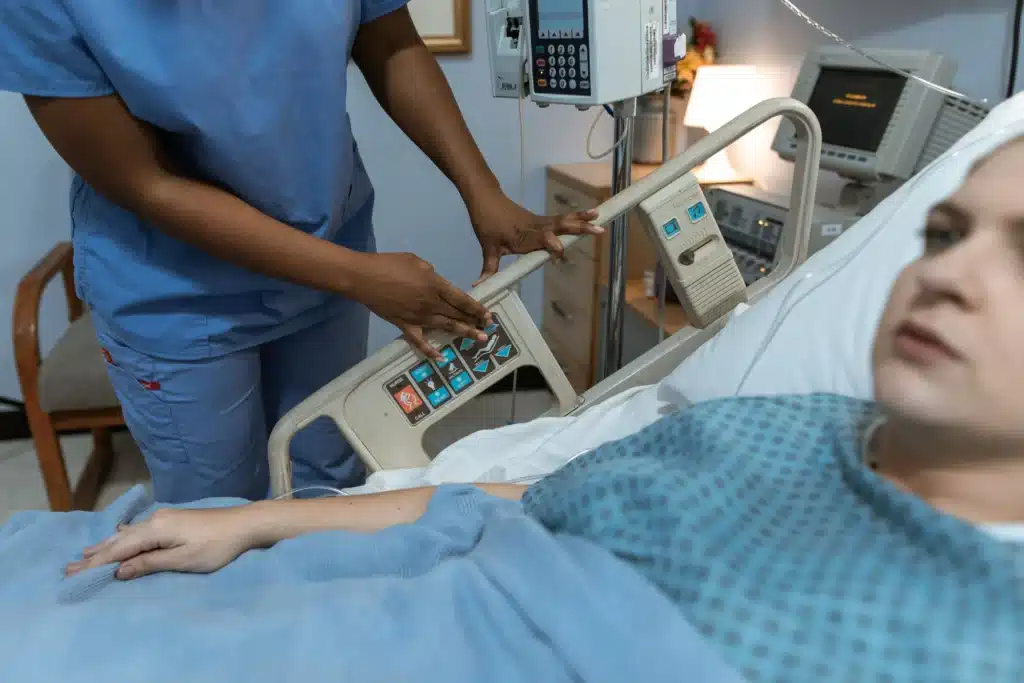
Detox is the process of allowing a substance to leave the body. "Medically monitored" means that process happens under the direct, continuous care of trained medical professionals rather than alone at home or in an unsupervised setting.
Medically Monitored vs. Unsupervised Detox
In an unsupervised detox, a person tries to manage withdrawal on their own, often with over-the-counter remedies and willpower. There's no one checking vital signs, no one to adjust care if symptoms escalate, and nothing standing between intense cravings and the next dose.
In medically monitored detox:
- Physicians and nurses assess your health before detox begins
- Vital signs like heart rate, blood pressure, temperature, and hydration are checked regularly
- Withdrawal severity is measured using standardized clinical tools
- Medications are used to ease symptoms and reduce cravings when appropriate
- Staff are available day and night to respond to changes
- The environment is safe, calm, and free of access to drugs
Why Fentanyl Requires Extra Care
Fentanyl is a synthetic opioid roughly 50 times stronger than heroin and 100 times stronger than morphine. Because it binds so tightly to the brain's opioid receptors, the body becomes heavily dependent on it. Fentanyl is also fat-soluble, meaning it can be stored in body tissue and released slowly after use stops. That can make withdrawal less predictable than with other opioids. Research comparing people withdrawing from different opioids has found more severe withdrawal symptoms and higher heart rates among people using fentanyl.
Why Does Fentanyl Detox Need 24/7 Supervision?
Withdrawal doesn't follow a 9-to-5 schedule. Some of the hardest moments come in the middle of the night, when cravings spike and sleep won't come. Around-the-clock supervision protects people through every hour of the process.
Symptoms Can Escalate Quickly
Fentanyl withdrawal can cause vomiting, diarrhea, heavy sweating, and fever-like chills. Over hours or days, that can lead to serious dehydration and electrolyte imbalances. Heart rate and blood pressure may also rise sharply. Continuous monitoring allows staff to catch these changes early and treat them before they become emergencies.
Medication Timing Is Critical
One of the most important reasons for 24/7 medical oversight is medication timing. Buprenorphine, a common medication used to ease opioid withdrawal, can trigger precipitated withdrawal if it's started while fentanyl is still active in the body. Precipitated withdrawal is a sudden, severe onset of symptoms that can be extremely distressing. Experienced clinicians watch for the right moment to begin, or use gradual low-dose starting methods designed for the fentanyl era.
Cravings Are Strongest When No One Is Watching
The urge to use can be overwhelming during withdrawal. In a supervised setting, there's no access to drugs, and staff can offer medication, comfort care, and emotional support the moment cravings hit.
Emotional Distress and Safety
Anxiety, agitation, hopelessness, and severe insomnia are common during opioid withdrawal. In its 2019 safety communication, the FDA warned that suddenly stopping opioids can lead to serious withdrawal, psychological distress, and even suicide. Constant supervision means someone is always there to respond.
Overdose Risk Is Real
Tolerance drops quickly during detox. If someone leaves early and uses the amount they once did, the risk of fatal overdose rises sharply. Keeping people safe and engaged through the full detox process, and connecting them to ongoing treatment, is one of the most important ways to prevent that.
What If You're Terrified of Fentanyl Withdrawal?
Fear of withdrawal is one of the biggest reasons people delay getting help. We asked Angie Ditmer, CDCA, QBHS, CPRS, of Cedar Oaks Wellness: How do you reassure a client who is absolutely terrified of fentanyl withdrawal about the safety and comfort of 24/7 medical detox?
"It is OK to be scared. You do not have to figure out the whole process right now or tell your entire story as soon as you walk through the door. You can ask questions, tell staff what you need, and let them know when something is making you uncomfortable. You will have people there 24/7 to help you withdraw safely. You will have a say in your care. Just take it one step at a time."
— Angie Ditmer, CDCA, QBHS, CPRS
That reassurance gets at the heart of medically monitored detox. It isn't something done to you. It's a collaborative process where your comfort, questions, and needs shape your care every step of the way.
What Happens During Medically Monitored Fentanyl Detox?
Every person's detox is different, but most follow a similar path from intake to stabilization.
Admission and Medical Assessment
Detox begins with a full evaluation. The medical team reviews which substances you've been using, how much, how often, and when you last used. They check your physical health, current medications, and any mental health conditions such as depression, anxiety, or PTSD. Because many people unknowingly use fentanyl mixed with other drugs, like stimulants, benzodiazepines, or xylazine, a thorough assessment helps the team anticipate complications.
The Fentanyl Withdrawal Timeline
Timing varies from person to person, but fentanyl withdrawal often follows this general pattern:
- 8 to 24 hours after last use: Early symptoms like anxiety, yawning, runny nose, sweating, and restlessness begin.
- Days 1 to 3: Symptoms intensify, including muscle aches, chills, nausea, diarrhea, insomnia, and strong cravings.
- Days 3 to 5: Withdrawal typically peaks. This is when around-the-clock support matters most.
- Days 5 to 10: Physical symptoms gradually ease, though fatigue, low mood, and sleep problems may linger.
- Weeks to months afterward: Some people experience post-acute withdrawal symptoms (PAWS), such as anxiety, irritability, and waves of craving, which can be managed with ongoing treatment.
Continuous Monitoring and Adjustment
Throughout detox, nurses and medical staff regularly check vital signs, hydration, nutrition, and emotional well-being. Clinicians use standardized withdrawal scales to measure symptom severity and adjust medications in real time, so care keeps pace with how your body is responding.
Preparing for What Comes Next
Detox isn't the end of treatment. It's the beginning. As symptoms ease, the clinical team works with you on a plan for continued care, such as residential treatment, partial hospitalization, and medication-assisted treatment, so you can move forward without a gap in support.
How Are Fentanyl Withdrawal Symptoms Managed?
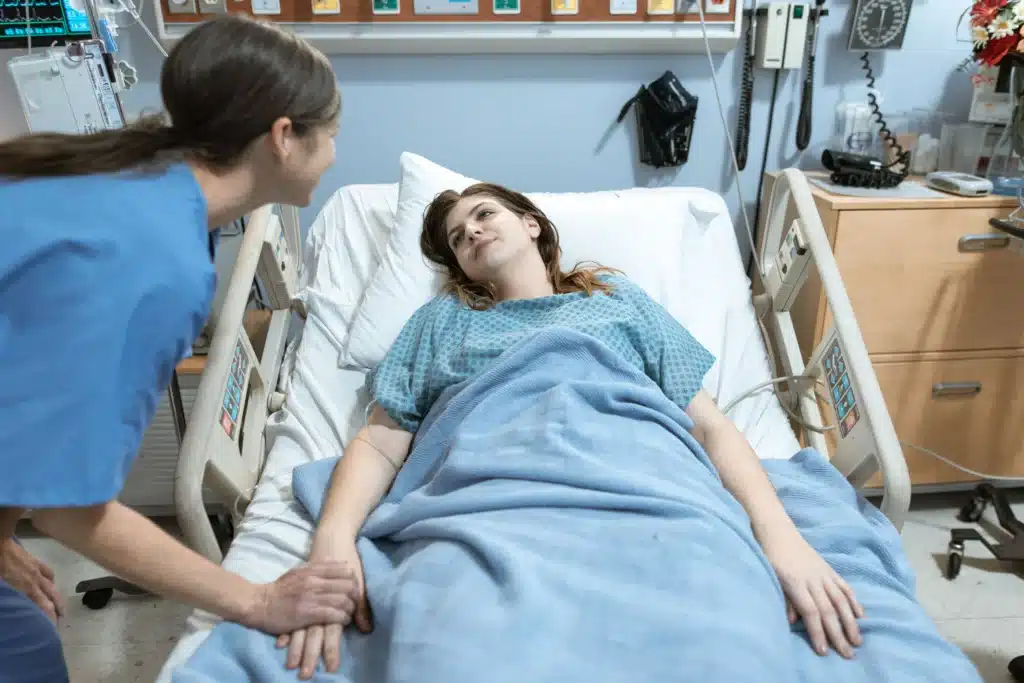
Medically monitored detox isn't just about watching and waiting. It's about actively making withdrawal safer and more tolerable.
Medication-Assisted Treatment
FDA-approved medications for opioid use disorder can ease withdrawal and dramatically reduce cravings. Buprenorphine and methadone help stabilize the brain's opioid receptors, while naltrexone may be used after detox to help prevent relapse. These medications don't just improve comfort. An NIH-funded study found that people treated with methadone or buprenorphine after an overdose were significantly less likely to die from a later overdose. The right medication, dose, and timing are always determined by a physician.
Comfort Care for Specific Symptoms
Providers may use non-opioid medications to target specific withdrawal symptoms, such as nausea, diarrhea, muscle aches, anxiety, and sleep problems. Fluids, electrolytes, and nutritious meals help the body recover, and a calm, comfortable environment makes rest possible.
Emotional and Therapeutic Support
Withdrawal affects the mind as much as the body. Counselors and clinical staff offer support from the start, introducing coping skills like grounding, breathing techniques, and recognizing triggers. Knowing that someone understands what you're going through can make the hardest hours easier to face.
Why Treatment After Detox Matters
Detox clears fentanyl from the body, but it doesn't address the reasons someone started using or teach the skills needed to stay sober. Many people who use fentanyl are also living with depression, anxiety, trauma, or chronic pain. Without continued care, the risk of relapse, and of overdose with lowered tolerance, remains high.
That's why the safest detox programs are part of a full continuum of care, with a smooth transition into residential treatment, evidence-based therapy, medication-assisted treatment, and long-term aftercare.
Fentanyl Detox at Cedar Oaks Wellness in Ohio
Cedar Oaks Wellness Center is a drug and alcohol rehab located on a 120-acre wooded campus just outside Cincinnati, Ohio. Its drug and alcohol detox center provides a safe, supportive environment where people can withdraw from fentanyl and other opioids under the care of experienced addiction specialists. Detox content and care are medically reviewed by Medical Director Dr. Jessica Hoying.
Professional Detox, Not "Cold Turkey"
Cedar Oaks emphasizes that quitting on your own can be dangerous and can lead to serious withdrawal complications. The detox team safely manages symptoms while monitoring each person's health, so withdrawal is as comfortable and secure as possible. Learn more about fentanyl addiction treatment at Cedar Oaks, as well as its programs for heroin detox and opiate addiction.
Medication-Assisted Treatment
Cedar Oaks offers evidence-based medication-assisted treatment to ease withdrawal, reduce cravings, and support long-term recovery from opioid use disorder.
A Seamless Path Into Recovery
After detox, clients can transition directly into residential inpatient treatment, followed by partial hospitalization and outpatient care. Dual diagnosis treatment addresses co-occurring conditions like depression, anxiety, and trauma, while individual therapy helps clients understand and change the patterns behind their substance use.
Lifetime Support
Recovery doesn't end at discharge. Cedar Oaks offers lifetime aftercare and alumni services, including access to its alumni app, Cedar Oaks Cares. The admissions team is available 24 hours a day, 7 days a week, and can help you verify your insurance coverage before you arrive.
Frequently Asked Questions About Medically Monitored Fentanyl Detox
What is medically monitored detox?
Medically monitored detox is a supervised withdrawal process where doctors, nurses, and clinical staff provide around-the-clock care, monitor vital signs, manage symptoms with medication when appropriate, and keep the person safe as a substance leaves the body.
How long does fentanyl detox take?
Acute fentanyl withdrawal usually lasts about 5 to 10 days, with symptoms often peaking around days 3 to 5. Some people experience lingering symptoms like poor sleep, anxiety, and cravings for weeks or months afterward.
Is fentanyl withdrawal dangerous?
Fentanyl withdrawal is rarely fatal on its own, but it can cause severe dehydration, high heart rate and blood pressure, and intense emotional distress. The greatest danger is relapse after tolerance drops, which can lead to a fatal overdose. Medical supervision greatly reduces these risks.
Why can't I just detox from fentanyl at home?
Detoxing at home means no one is monitoring your health, managing symptoms, or timing medications safely. Cravings are harder to resist without support, and relapse after even a few days without fentanyl carries a high overdose risk.
What medications help with fentanyl withdrawal?
Buprenorphine and methadone are commonly used to ease withdrawal and reduce cravings. Non-opioid comfort medications can help with nausea, diarrhea, aches, anxiety, and sleep. A physician determines the right approach for each person.
What happens after fentanyl detox?
After detox, most people benefit from continued treatment, such as residential care, partial hospitalization, therapy, medication-assisted treatment, and aftercare, to address the root causes of addiction and prevent relapse.
Start Your Recovery Safely, With Support Around the Clock
Fentanyl withdrawal is too unpredictable to face alone, but with the right medical team, it can be the first step toward lasting recovery. Contact Cedar Oaks Wellness today to learn how our medically monitored detox in Ohio can help you or someone you love begin healing safely.