Body and Mind
In the fast-paced, high-stress environment of modern life, the concept of “doing more” is often celebrated. However, when it comes to recovering from chronic stress, mental health challenges, or substance use disorders, the most profound healing often happens when we learn how to do less.
At Cedar Oaks Wellness, located on our serene 120-acre forest campus in Ohio, we prioritize restorative practices that honor the body’s need for stillness. One of the most effective tools in our holistic toolkit is Restorative Yoga. This is not your typical gym-class workout; it is a clinical, trauma-informed intervention designed to reset the nervous system and foster a deep sense of internal safety.
Whether you are seeking a “biological reset” or navigating the complexities of addiction recovery, this guide explores how Restorative Yoga serves as a bridge between physical health and emotional peace.
What Exactly is Restorative Yoga?
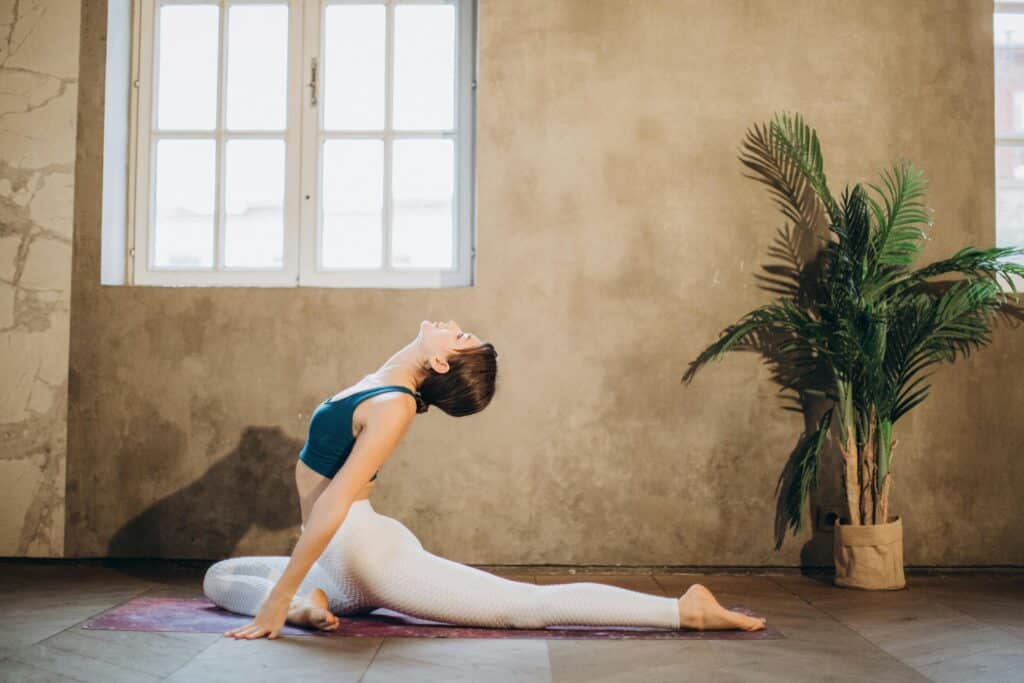
Restorative yoga is often described as the “yoga of non-doing.” Unlike Vinyasa or Power Yoga, which focus on heat, strength, and movement, restorative yoga focuses on active relaxation.
In a restorative session, practitioners use props—such as bolsters, blankets, blocks, and eye pillows—to fully support the body in various postures. By removing the need for muscular effort, the body can remain in a pose for five to twenty minutes. This extended duration allows the connective tissues to relax and, more importantly, signals to the brain that it is safe to let go of the “fight or flight” response.
The “Rest and Digest” Response
To understand why this is so effective, we have to look at the Autonomic Nervous System (ANS). Most people living with stress or addiction exist in a state of hyper-vigilance, governed by the Sympathetic Nervous System (SNS). This is the system responsible for survival. Restorative yoga activates the Parasympathetic Nervous System (PNS), often called the “rest and digest” system.
Shutterstock
When the PNS is engaged, your heart rate slows, your blood pressure drops, and your body begins the essential work of cellular repair and emotional processing.
Ready to reconnect with your body and find inner peace? Contact Cedar Oaks Wellness today to learn more about our restorative yoga and integrative wellness programs.
How Does Restorative Yoga Support Addiction Recovery?
For individuals in recovery from drug or alcohol addiction, the body is often in a state of rebellion. After months or years of substance use, the brain’s reward system is dysregulated, and the nervous system is often stuck in a cycle of anxiety and physical tension.
1. Managing Withdrawal and Early Sobriety Anxiety
Early recovery is often characterized by a “high-voltage” feeling in the body—restlessness, insomnia, and a pervasive sense of unease. Restorative yoga provides a safe container for these feelings. Instead of trying to “exercise away” the anxiety, restorative yoga teaches the practitioner to sit with their sensations in a supported, non-threatening way.
2. Addressing Trauma and “The Body Keeps the Score”
Trauma and addiction are frequently intertwined. As noted in the famous clinical work The Body Keeps the Score, trauma is not just a mental memory; it is stored in the tissues and the nervous system. Restorative yoga is trauma-informed, meaning it prioritizes the practitioner’s sense of choice and safety. It allows individuals to inhabit their bodies again without the pressure of performing or “pushing through” pain.
3. Reducing Cravings through Mindfulness
Cravings are often physical sensations that the mind interprets as a “need” for a substance. By practicing restorative yoga, individuals develop increased body awareness (interoception). They learn to identify the physical manifestation of a craving—like a tight chest or a clenched jaw—and use breathwork to navigate through it rather than reacting to it.
Frequently Asked Questions About Restorative Yoga
Is Restorative Yoga the same as stretching?
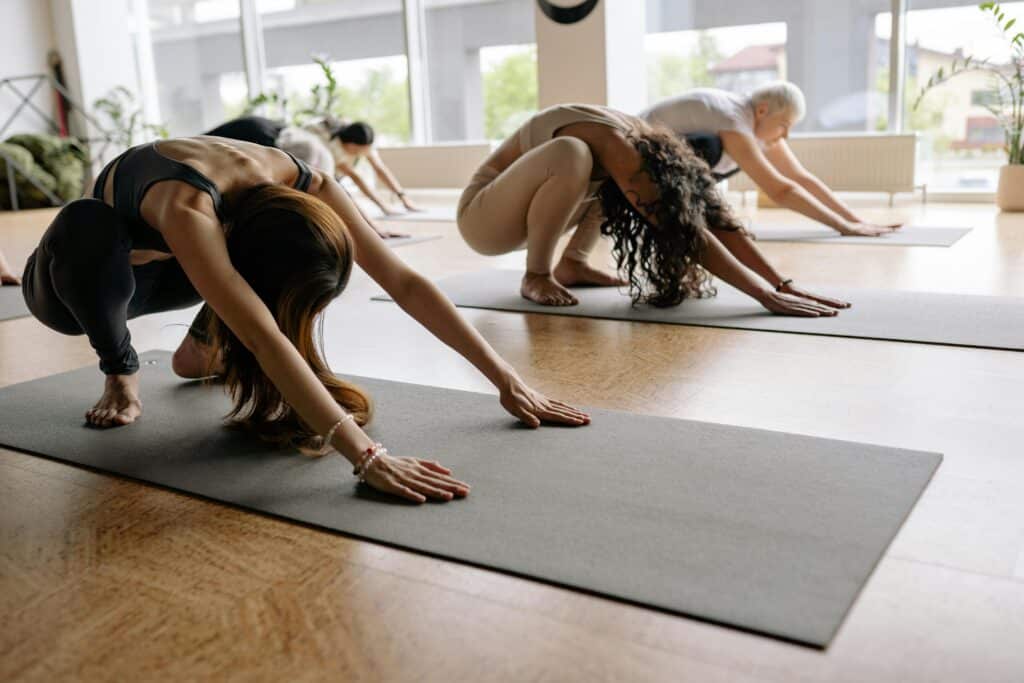
While you are technically stretching, the goal is entirely different. In a traditional stretch, you are actively reaching for a range of motion. In restorative yoga, you are positioning your body so that gravity does the work for you. The goal is 100% comfort. If you feel any “pull” or “strain,” you add more props until the sensation disappears.
I can’t quiet my mind; can I still do Restorative Yoga?
Yes. In fact, people with “busy brains” are the ones who benefit most. The practice isn’t about clearing your thoughts; it’s about providing a physical environment where your nervous system can settle despite your thoughts. Over time, as the body relaxes, the mind naturally follows.
Do I need to be flexible to start?
Not at all. Because we use props to bring the floor up to you, flexibility is not a requirement. Restorative yoga is accessible for all ages, body types, and physical ability levels. This makes it an ideal practice for those in a clinical setting who may be dealing with the physical toll of long-term substance use.
The Benefits: Why Restorative Yoga is Essential for Mental Health
The benefits of a consistent restorative practice extend far beyond the yoga mat. At Cedar Oaks, we observe several key outcomes in our clients:
- Improved Sleep Quality: By lowering cortisol levels before bed, restorative yoga helps combat the insomnia often found in early recovery.
- Reduced Muscle Tension: Chronic stress leads to “armoring”—a constant clenching of the shoulders, jaw, and hips. Restorative poses gently release this tension.
- Emotional Regulation: The practice provides a “pause button” between a stimulus and a response. This is the foundation of emotional sobriety.
- Enhanced Self-Compassion: For many, addiction is fueled by self-loathing. Taking an hour to simply “be” and care for one’s physical comfort is a profound act of self-love.
Why Choose Cedar Oaks Wellness for Your Healing Journey?
At Cedar Oaks Wellness Center, we don’t just “offer” yoga; we integrate it into a comprehensive, clinical, and holistic treatment model. We understand that for a person to truly heal from addiction or mental health struggles, they need an environment that mirrors the peace they are trying to find within themselves.
The Cedar Oaks Forest Sanctuary
Our facility is situated on 120 acres of secluded forest in Ohio. There is a biological reason why we chose this location: Fractals and Nature Therapy. Being surrounded by trees and natural light naturally lowers the heart rate and supports the work we do in our restorative yoga sessions.
Our Trauma-Informed Approach
Every session at Cedar Oaks is led by professionals who understand the nuances of the “root cause” of distress. We ensure that:
- Postures are elective and adaptable.
- The environment is quiet, safe, and sensory-friendly.
- The practice is integrated with other therapies, such as individual counseling and group work, to ensure a cohesive recovery experience.
A Complete Path to Wellness
Restorative yoga is one piece of our “whole-person” approach. When combined with our expert medical detox, evidence-based clinical therapies, and nutritional support, it helps our clients build a lifestyle that is sustainable long after they leave our doors.
Taking the First Step Toward Restorative Healing
If you are tired of the constant noise, the physical tension of addiction, or the weight of chronic stress, it is time to give your body the gift of stillness. You do not have to carry the weight of the world on your shoulders. You can learn to set it down.
At Cedar Oaks Wellness, we are dedicated to helping Ohioans rediscover their internal balance through a blend of modern clinical excellence and ancient restorative wisdom.
Experience a gentle path to healing on our 120-acre forest sanctuary. Reach out to Cedar Oaks Wellness to inquire about our trauma-informed yoga sessions and start your journey today.
Disclaimer: The information provided in this blog is for educational and informational purposes only and is not intended as medical advice. While Restorative Yoga is a gentle practice, individuals should consult with a healthcare professional before beginning any new physical activity, especially if they are in the acute stages of medical detox or have pre-existing physical injuries. Cedar Oaks Wellness provides supervised, professional guidance to ensure the safety and efficacy of all wellness practices offered on our campus.